

How to Obtain a B1 Certificate Without an Exam: Is It Possible?
The B1 Certificate, likewise called an intermediate-level certification in many language testing systems (such as CEFR - Common European Framework of Reference for Languages), is a crucial milestone for people seeking to demonstrate their ability to interact effectively in a foreign language. It is often required for functions such as work, study, immigration, or citizenship applications. Nevertheless, the idea of getting a B1 Certificate without taking an exam is luring, and this post dives into whether this is possible and what alternatives exist.
What is a B1 Certificate?
A B1 Certificate symbolizes that an individual has reached an intermediate level of language efficiency. At this level, an individual must have the ability to:
Understand and produce simple, clear speech and text on familiar topics.
Deal with most situations likely to occur while taking a trip in areas where the language is spoken.
Explain goethe zertifikat kaufen , occasions, dreams, aspirations, and viewpoints briefly.
Communicate with native speakers without extreme stress.
The B1 exam normally involves skills such as reading, composing, listening, and speaking, and the format might differ depending on the certification body (e.g., Cambridge English, Goethe-Institut, DELF, etc).
Can You Really Obtain a B1 Certificate Without an Exam?
The short response is no-- most globally recognized B1 certifications need prospects to pass an exam. Certification bodies like Cambridge Assessment English, Goethe-Institut, and the Alliance Française keep rigorous screening requirements to guarantee their certifications accurately reflect a person's language proficiency.
However, there are alternative paths and exceptions that might permit someone to demonstrate a B1-equivalent level of efficiency without sitting for a conventional exam:
Recognition of Prior Learning (RPL).
Sometimes, instructional institutions, employers, or migration authorities might accept other kinds of evidence of language proficiency instead of a formal exam. This might include:.
Proof of presence in a language course that certifies your level.
Proof of living, studying, or operating in an environment where the language is spoken fluently.
Documentation revealing previous language accreditations similar to the B1 level.
Certificates Through Alternative Assessments.
Some online platforms or academic programs supply certificates of completion for language courses. These certificates might indicate a specific CEFR level (e.g., A2, B1, or B2). While not an official B1 exam, such credentials might be accepted by particular companies as evidence of language capability.
Internal Language Assessments by Employers or Universities.
If you're obtaining a task or university admission, the recruiter or scholastic institution may evaluate your language abilities internally through their own evaluations or interviews, instead of needing an official exam.
Language Waivers for Long-Term Residents.
In some immigration cases, long-lasting locals of a nation or individuals wed to native speakers may be exempt from taking official exams. Authorities may ask for proof of integration into society or daily communication skills instead.
Why Taking the Exam is Still the Best Option.
Although the idea of bypassing a formal exam is appealing, the B1 exam serves a distinct and important purpose: it objectively evaluates your skills. Here's why taking the exam is typically the better choice:.
Worldwide Recognition: Certificates from authorities like Cambridge or Goethe-Institut are respected worldwide and supply confidence to companies, universities, or immigration authorities.
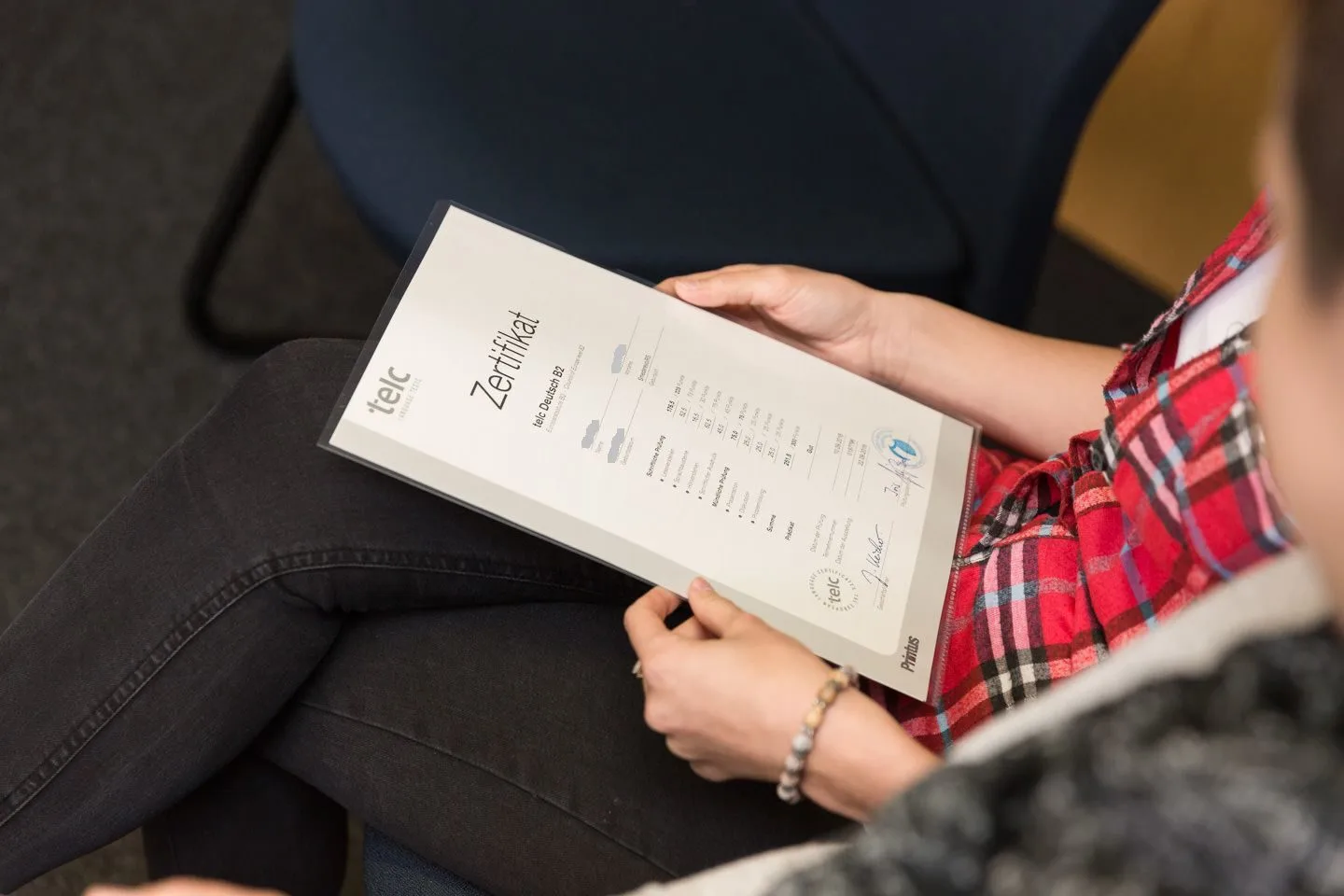
Personal Confidence: Successfully passing an exam is concrete evidence of your capabilities and is a terrific incentive for future progression.
No Room for Doubts: When you can offer a main B1 Certificate, there's no need to persuade anybody of your language efficiency.
How to Prepare for the B1 Exam.
If you choose to take the formal exam, here are some suggestions to guarantee success:.
Research study Consistently.
Devote routine time to study, focusing on all language skills (listening, speaking, reading, and writing).
Take a Preparation Course.
Enlist in a language course particularly developed to prepare you for a B1 exam. These courses assist you acquaint yourself with the structure and expectations of the test.
Practice with Sample Tests.
Numerous certification bodies offer online sample documents and practice materials that replicate the format and trouble of the test.
Immerse Yourself in the Language.
Surround yourself with the language: enjoy films, read books, listen to podcasts, and talk with native speakers.
Use Online Resources.
Platforms like Duolingo, Babbel, or free resources from official exam websites are outstanding tools for language knowing.
Conclusion.
While it might seem attracting obtain a B1 Certificate without an exam, it's unlikely to meet the requirements of most main situations. Acknowledged certifications require a formal exam to ensure consistency and dependability in proficiency requirements. Exploring telc zertifikat b1 might work in minimal scenarios, but passing the exam remains the best, most trusted option for validating your language abilities on a global level.
If you're getting ready for a B1 exam, do not shy away from the difficulty. Believe of it as an opportunity to enhance yourself, get confidence, and even more your individual or professional aspirations. With the right preparation, you'll soon have that desirable B1 Certificate in hand!